Cataract Surgery

Cataracts affect your ability to drive, read, and recognise faces. Surgery can restore what you have been losing — and the decisions around it deserve to be made with the full picture. See your options clearly.

What are Cataracts?

What are Cataracts?

Cataracts are a common clouding of the eye's lens that can make everyday tasks feel like a struggle. Whether they’ve developed over years or appeared more suddenly in one or both eyes, the result is the same: blurred or faded vision. They can be caused by a variety of factors, including aging, injury to the eye, certain medications, and underlying medical conditions such as diabetes.

How does Cataracts Affect Vision?

Symptoms of cataracts may include blurred or hazy vision, difficulty seeing at night, sensitivity to light, double vision, and seeing halos around lights.

Early treatment of glaucoma helps to preserve your vision and prevent further damage to the optic nerve, a process which can silently cause severe and irreversible vision loss and even blindness.

Your journey

Your journey

Your assessment

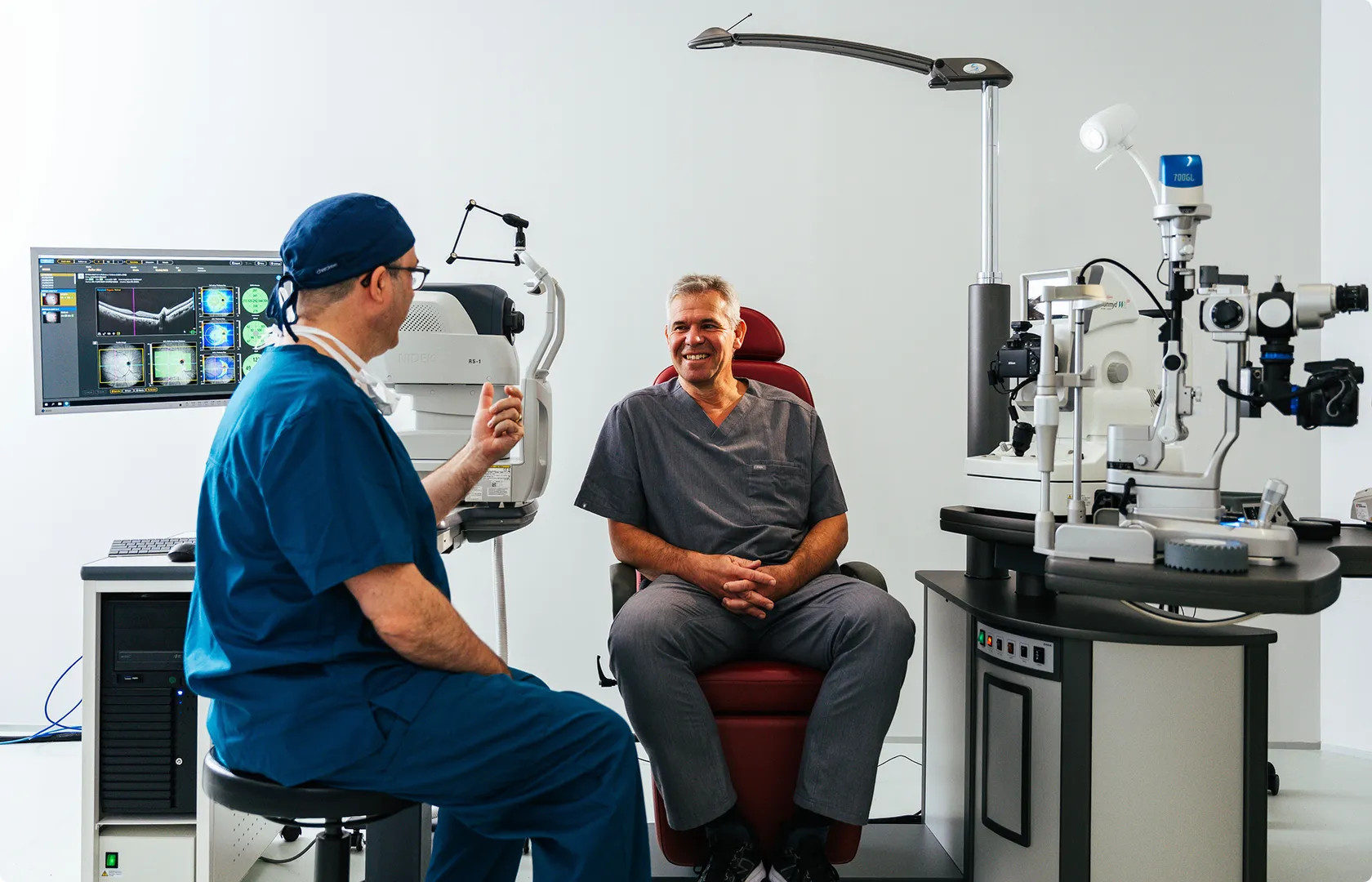
Your assessment appointment takes approximately two and a half hours. By the end of it you will know whether surgery is appropriate, what your options are, and what it is likely to cost. Dr Alex Buller is the surgeon who assesses you and the surgeon who operates on you. He and his team will know your eye — its specific dimensions, its history, its characteristics — before you go anywhere near the operating theatre

The measurement

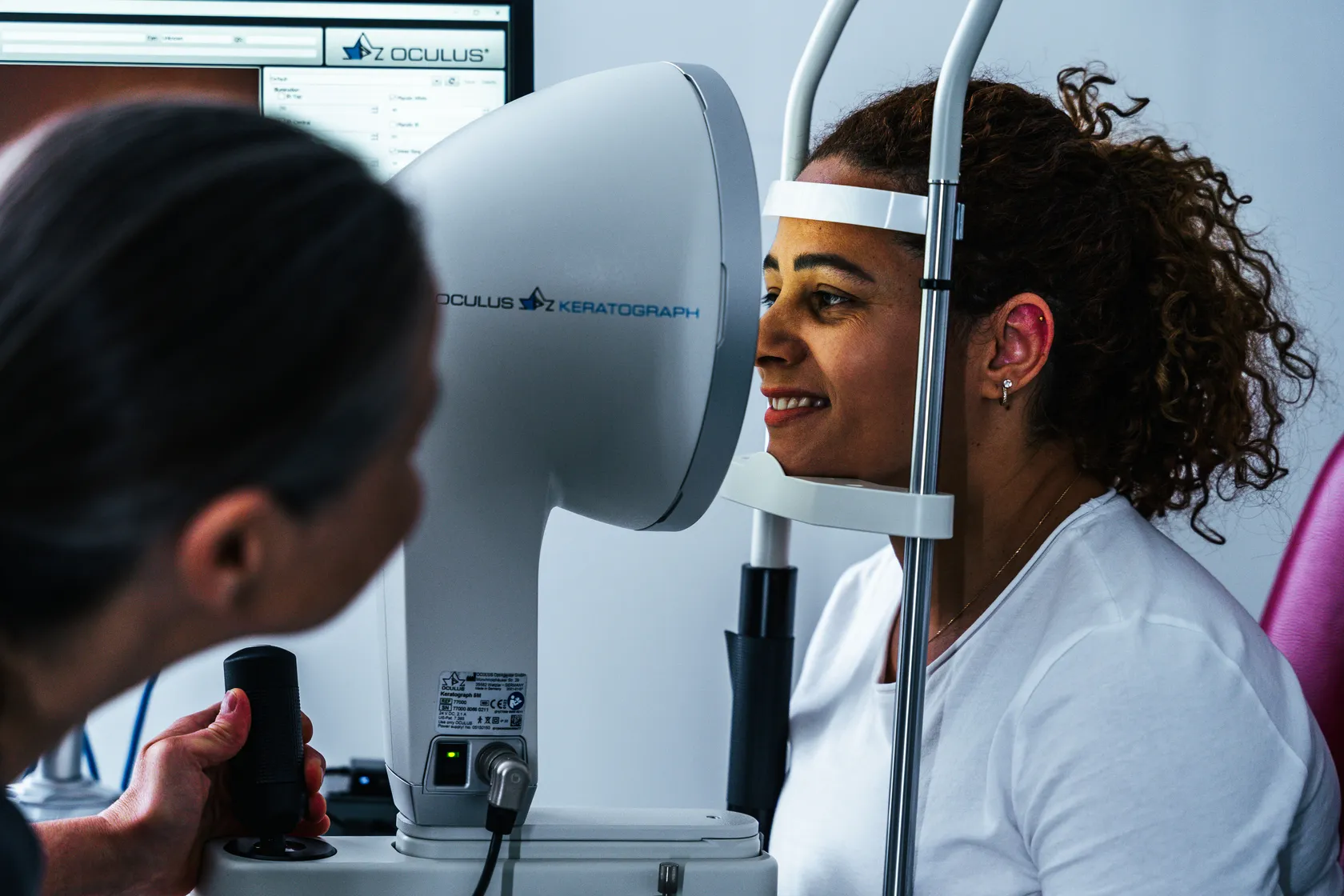
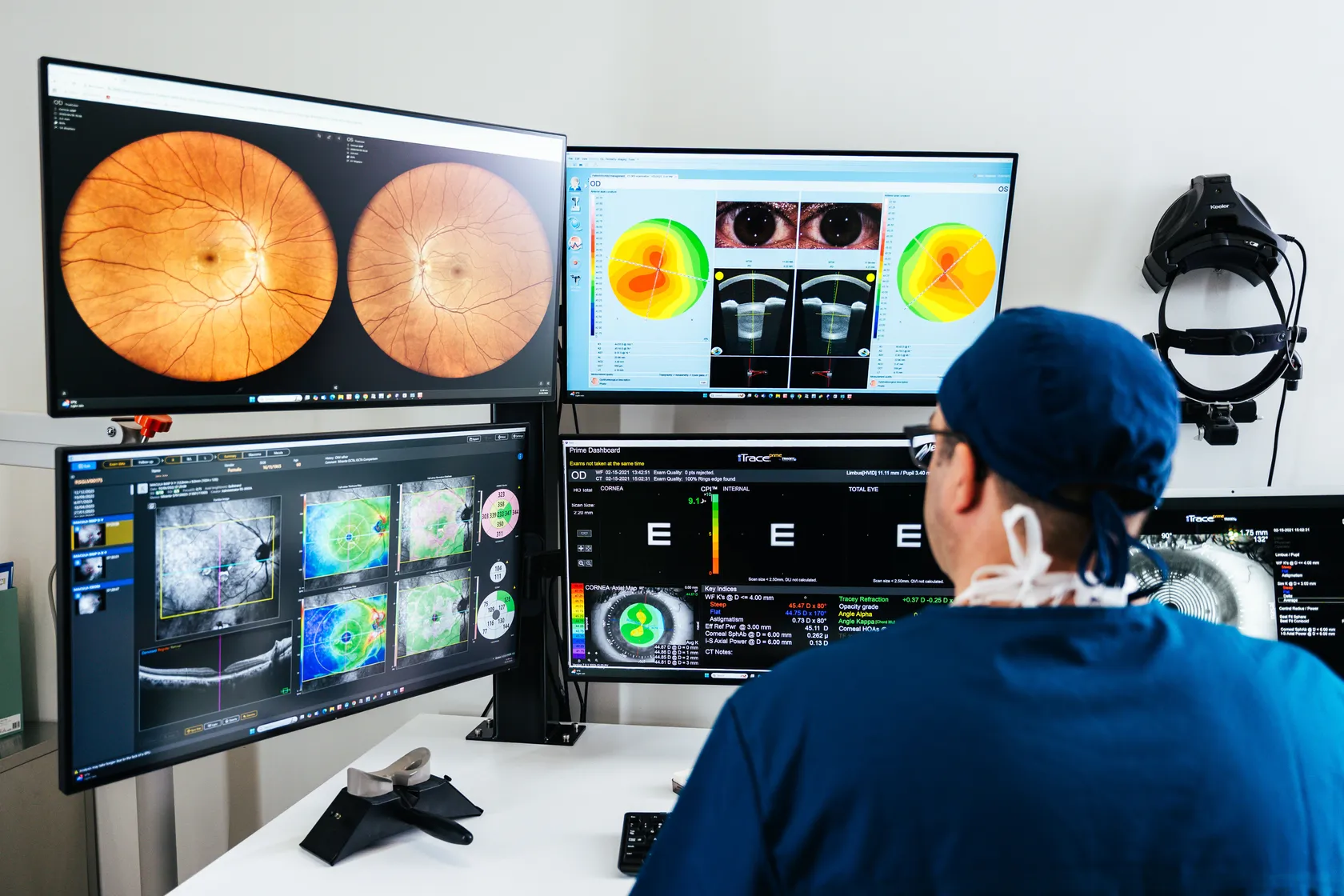
The published evidence identifies measurement accuracy as the primary variable in how independent from glasses you may be after surgery. The measurement taken before surgery determines the lens calculated for your eye.

Our baseline is five high quality measurements per patient. For the patients where the precision of that number matters most, we repeat every measurement. By the time those patients are in the theatre, their eye has been measured up to ten times. The accepted standard elsewhere is one measurement.

Understanding your lens options

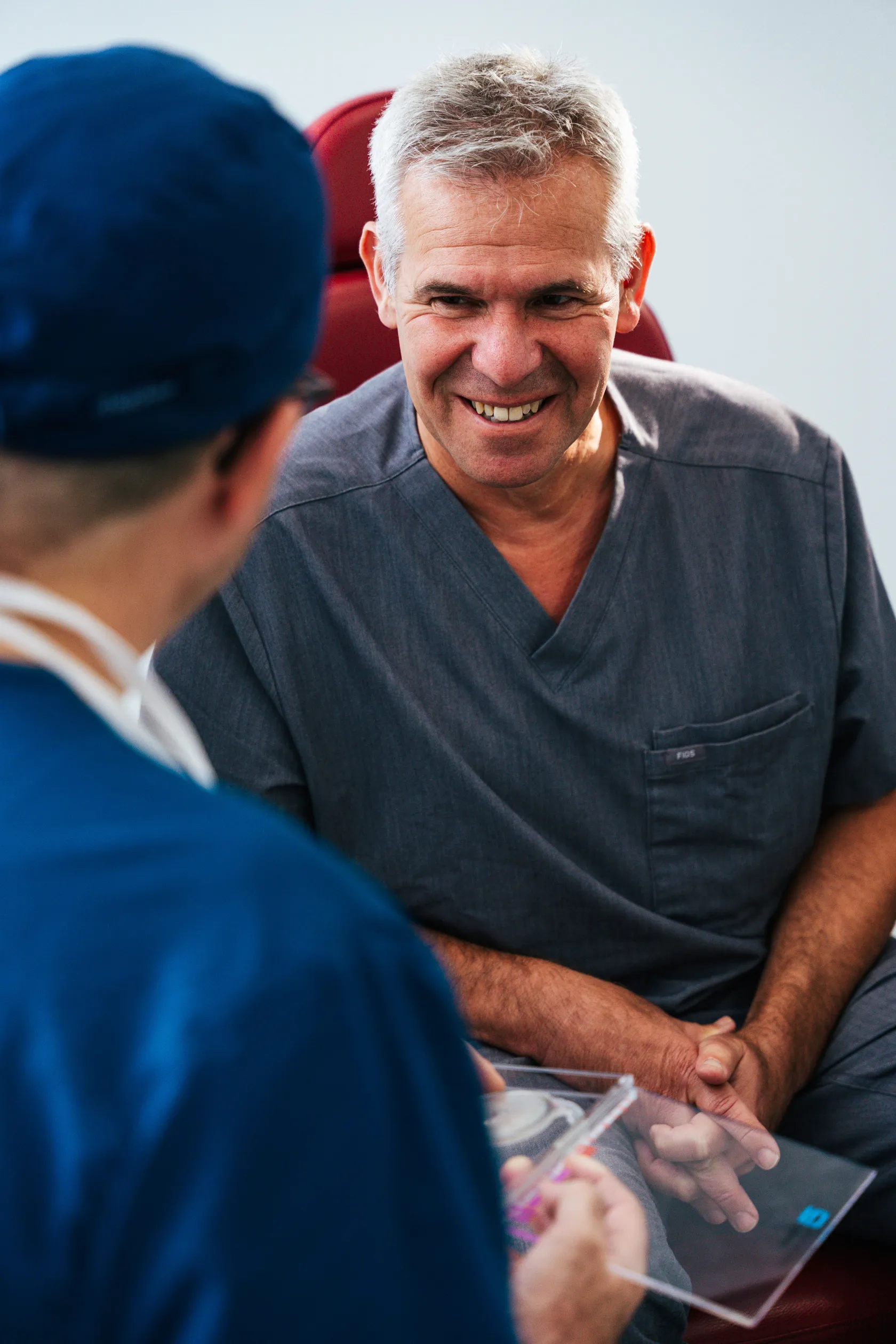
Before you sit down with Dr Buller to discuss which lens may suit you, you will watch a fifteen-minute video. It presents every option with equal weight. Pricing is presented separately from clinical recommendation. The complete trade-offs of every option are shown.

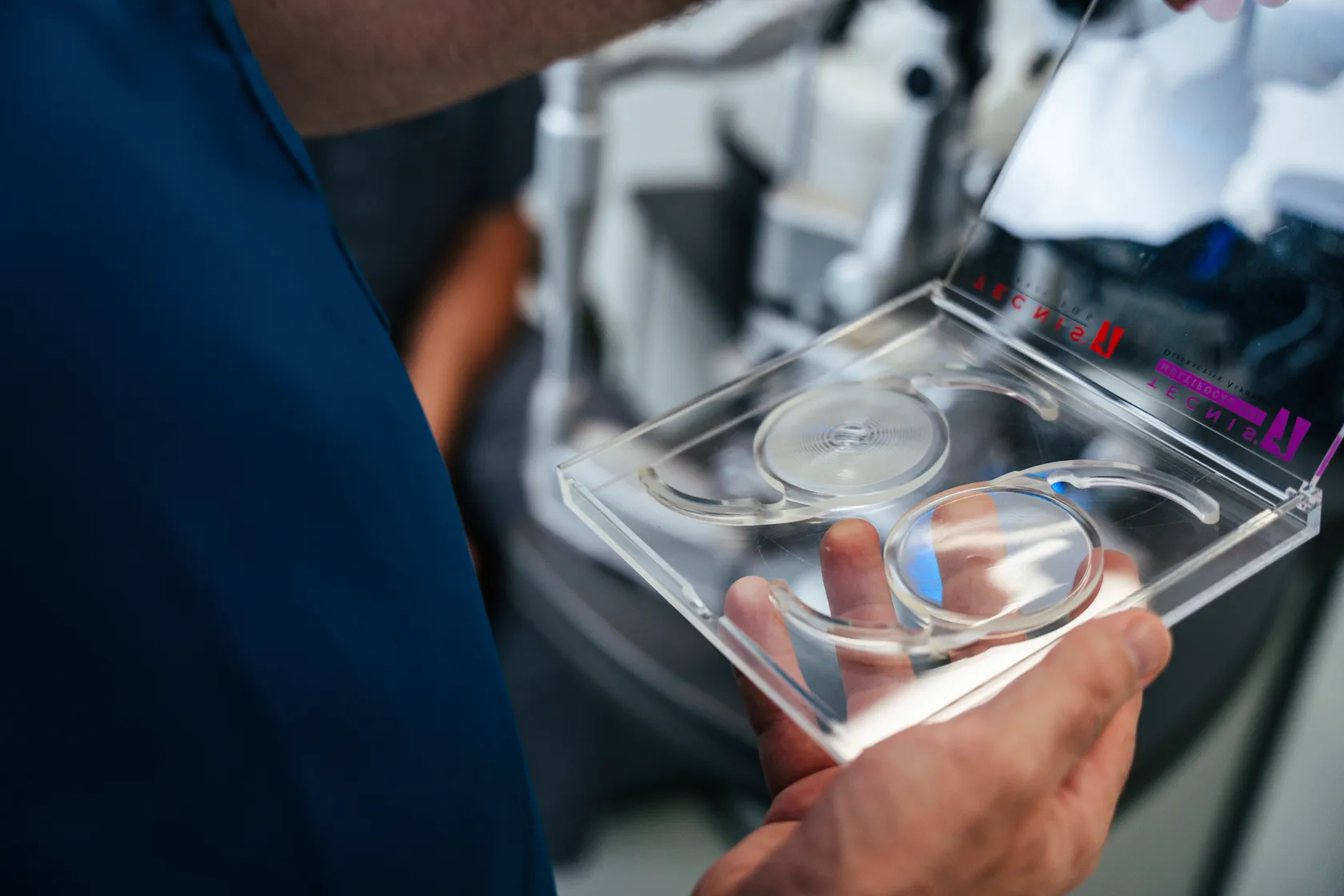
The lens choice involves a real trade-off. A monofocal lens commits all available light to one focal point — typically distance vision. A lens designed for a broader range of focus divides that same light. The division adds something — a range of focus across more than one distance. It also takes something away — the image quality and contrast that comes from dedicating all available light to one point.

Thinking in terms of aims may help. A monofocal lens typically aims for independence from glasses at distance. An extended depth of focus lens typically aims for distance and intermediate. A multifocal lens typically aims for distance, intermediate, and near. Each step adds range. Each step also involves a trade-off in optical quality that varies from eye to eye.

Neither approach is categorically better. The right choice depends on your specific eye, your specific life, and your specific understanding of what each option involves. The video ensures that understanding is in place before the consultation begins.

There is no upgrade. There is the lens that is right for your eye and your life.
Treatment Options

Treatment Options

The treatment of macular degeneration can help improve vision and slow down the progression of the disease, allowing individuals to maintain their ability to see fine details and perform daily tasks.

Early treatment can help maintain independence by preserving the ability to perform daily tasks, such as driving, reading, and watching television.

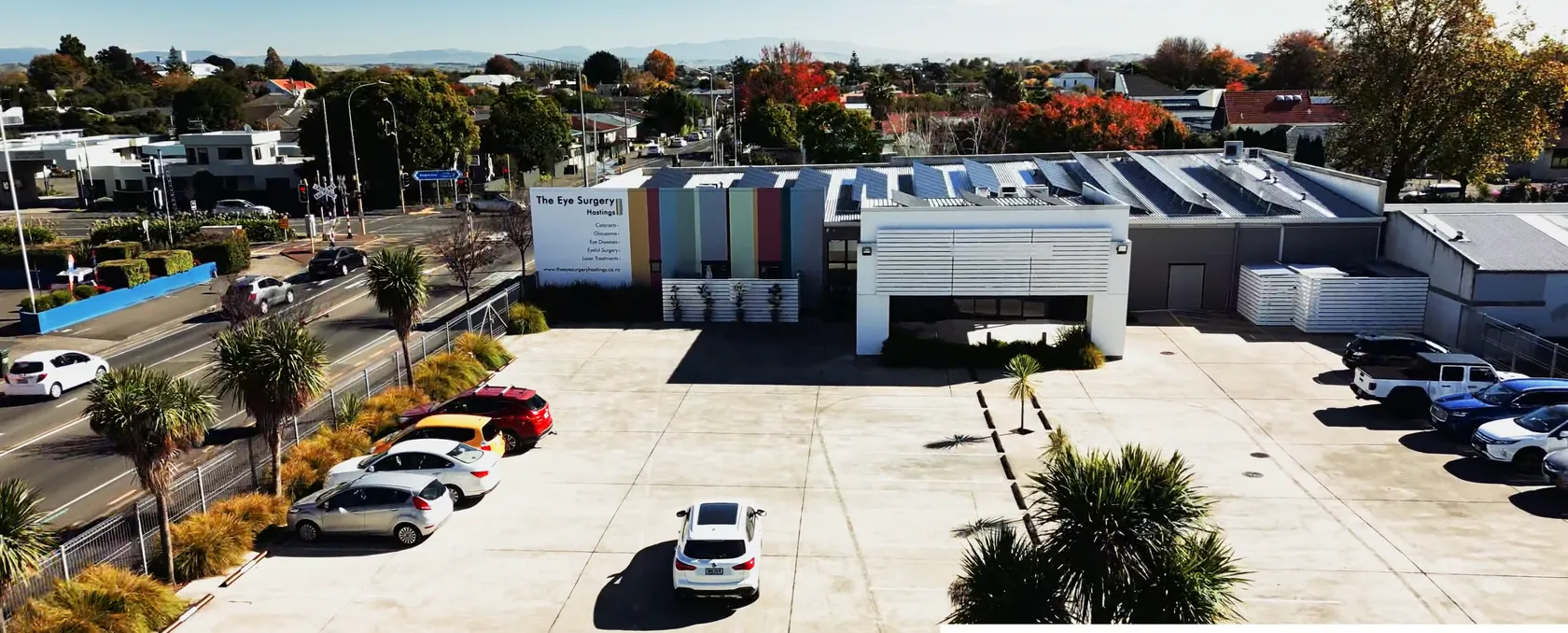
The Eye Surgery Hastings tests every patient at every visit, tailors care to each individual case, and routinely uses both aflibercept and bevacizumab (Avastin) injections. The single level site with wide doors and non-slip flooring is ideal for patients with low vision or mobility challenges.

What to Expect

We’re guided by the highest international standards. Coupled with our warm and supportive environment, you can rest assured that you’re receiving the very best treatment science can deliver.

Before You Arrive

You’ll receive a personalized preparation kit. There’s no need for a long hospital stay; most patients are back in the comfort of their own home within a few hours.

During the Procedure

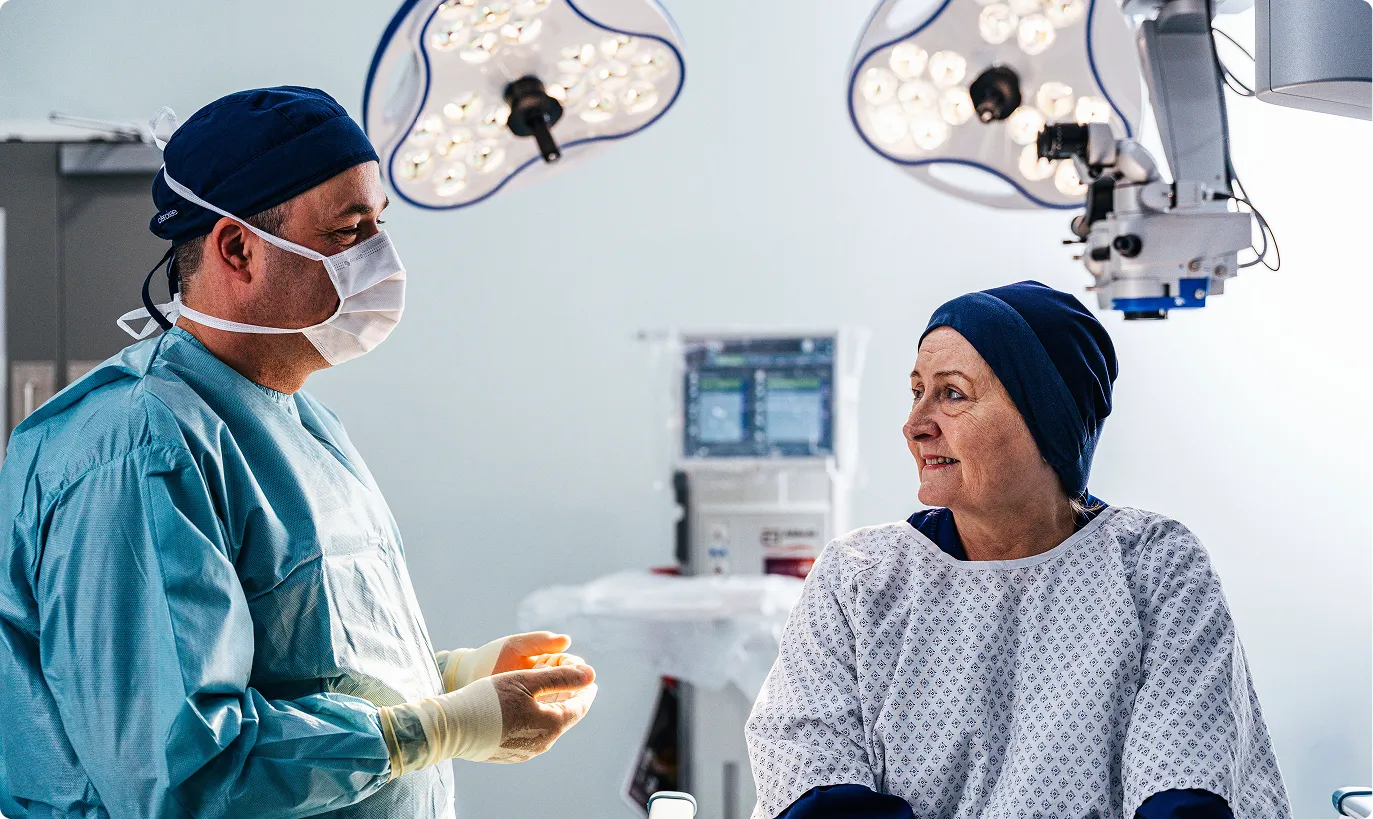
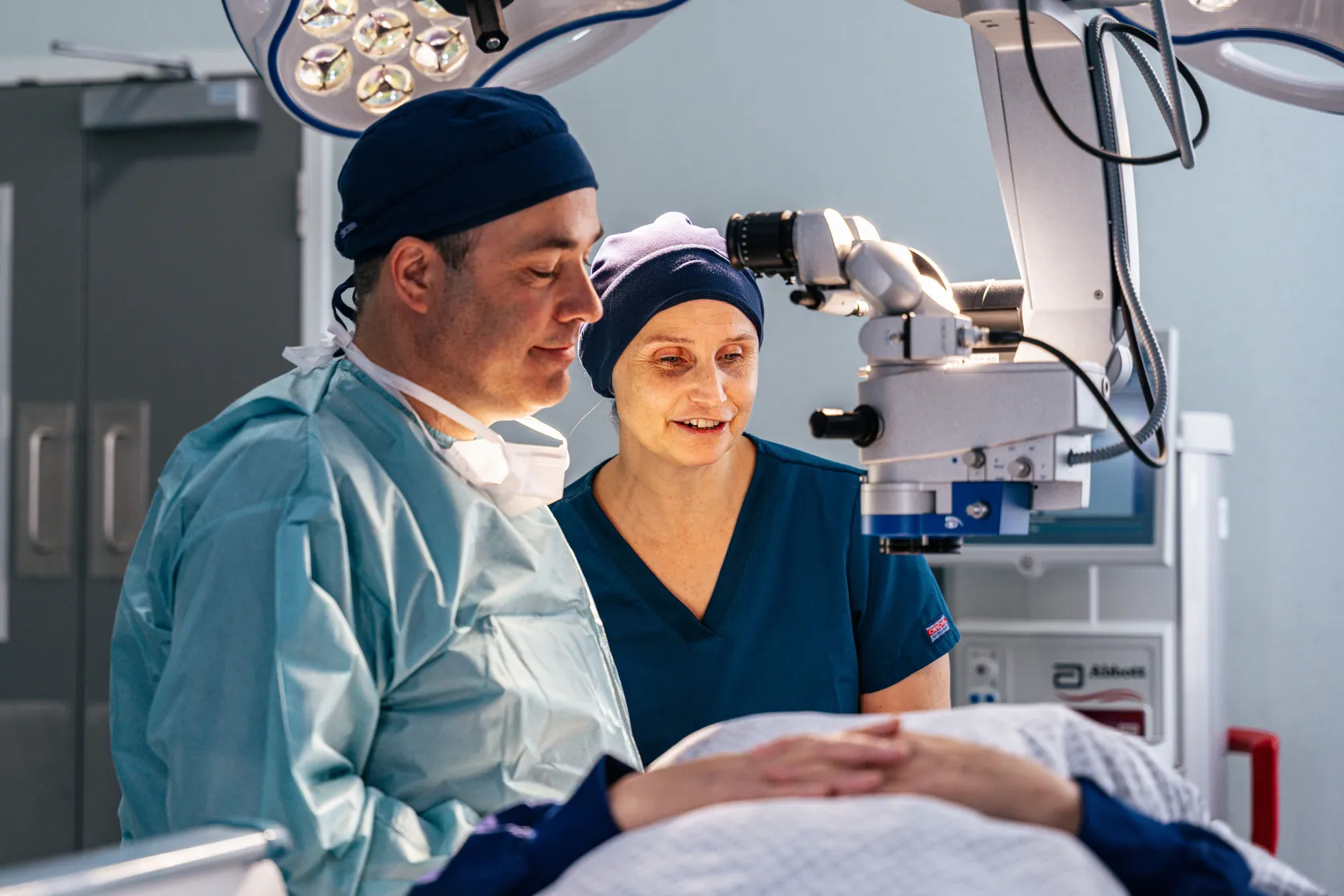
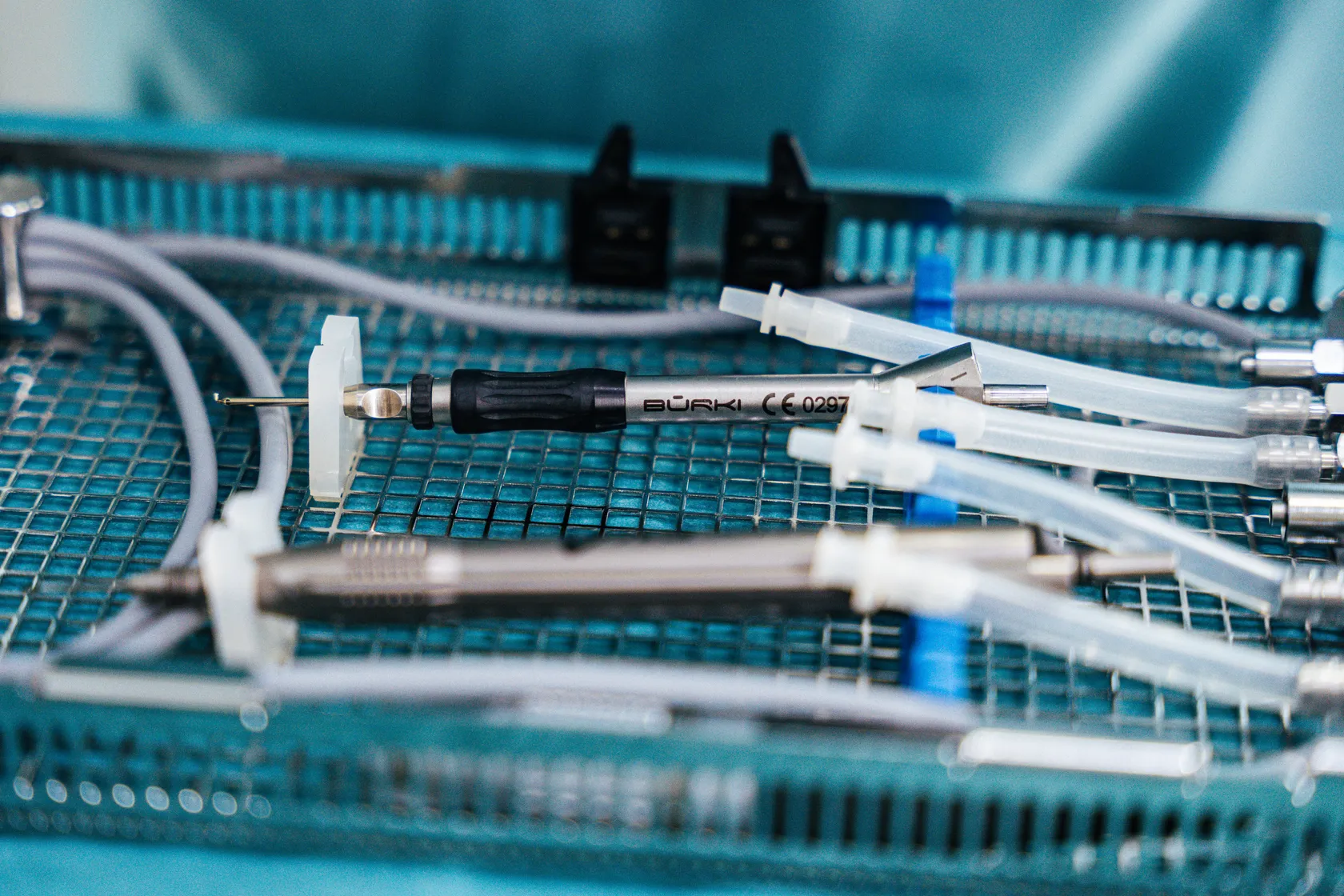
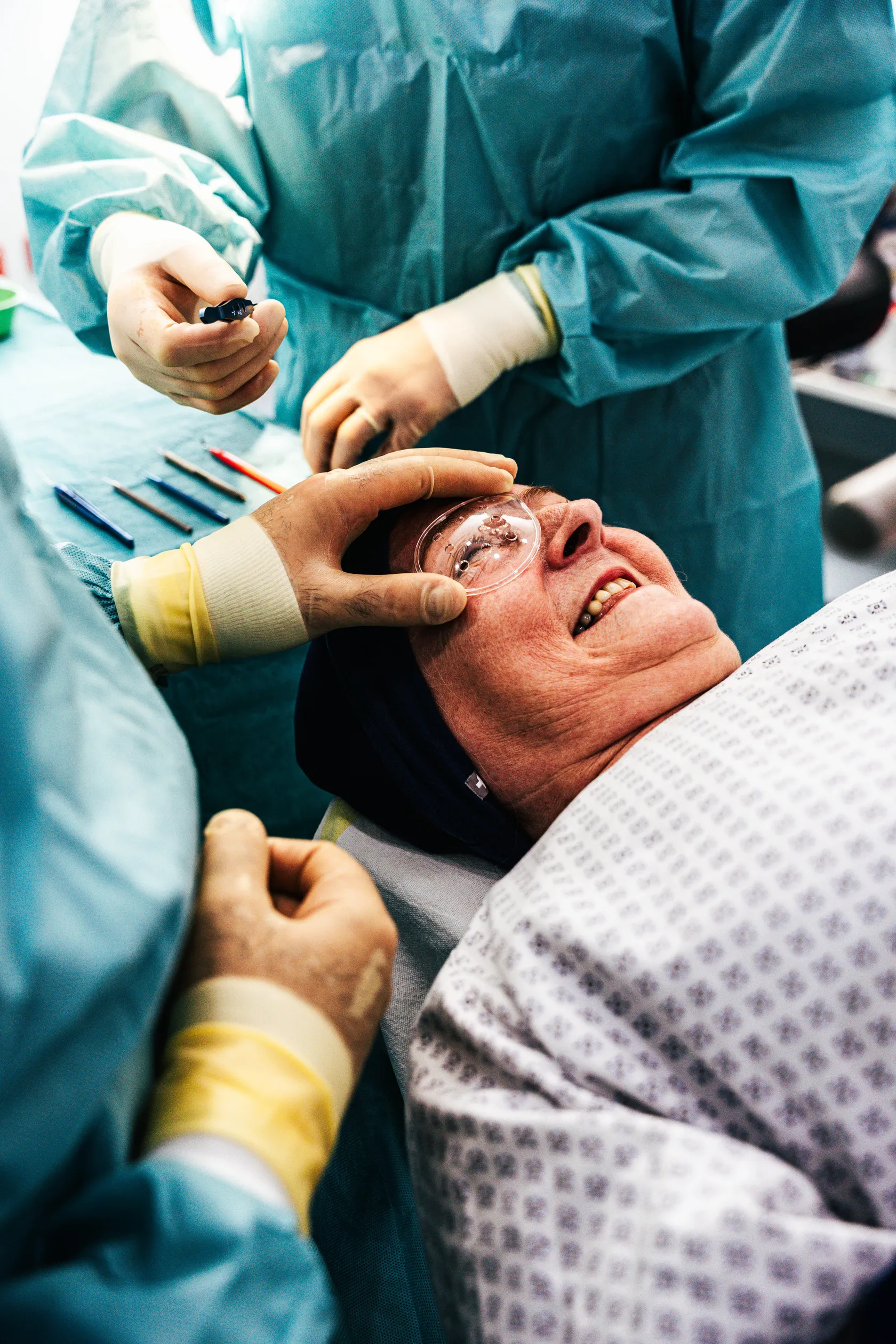
Numbing drops will be administered so you won’t feel a thing. The actual procedure usually takes less than 20 minutes. We use world-class microsurgical techniques to replace your cloudy lens with a clear, permanent implant. Our nursing team is right by your side to ensure you are relaxed and comfortable at all times.

Cataract Surgery Pricing

All operations can have extra costs involved, however The Eye Surgery Hastings charges these fees with no additional costs for over 95% of cases. Being a standalone surgical facility dedicated only to eye care allows us to innovate and work smarter, keeping prices controlled.
$4,053
/ eye
or $8,106 for both eyes
  • Lorem ipsum dolor sit amet.
  • Lorem ipsum dolor sit amet, consectetur adipiscing elit. Lorem ipsum dolor sit amet.
  • Lorem ipsum dolor sit amet, consectetur.
Care that respects the future
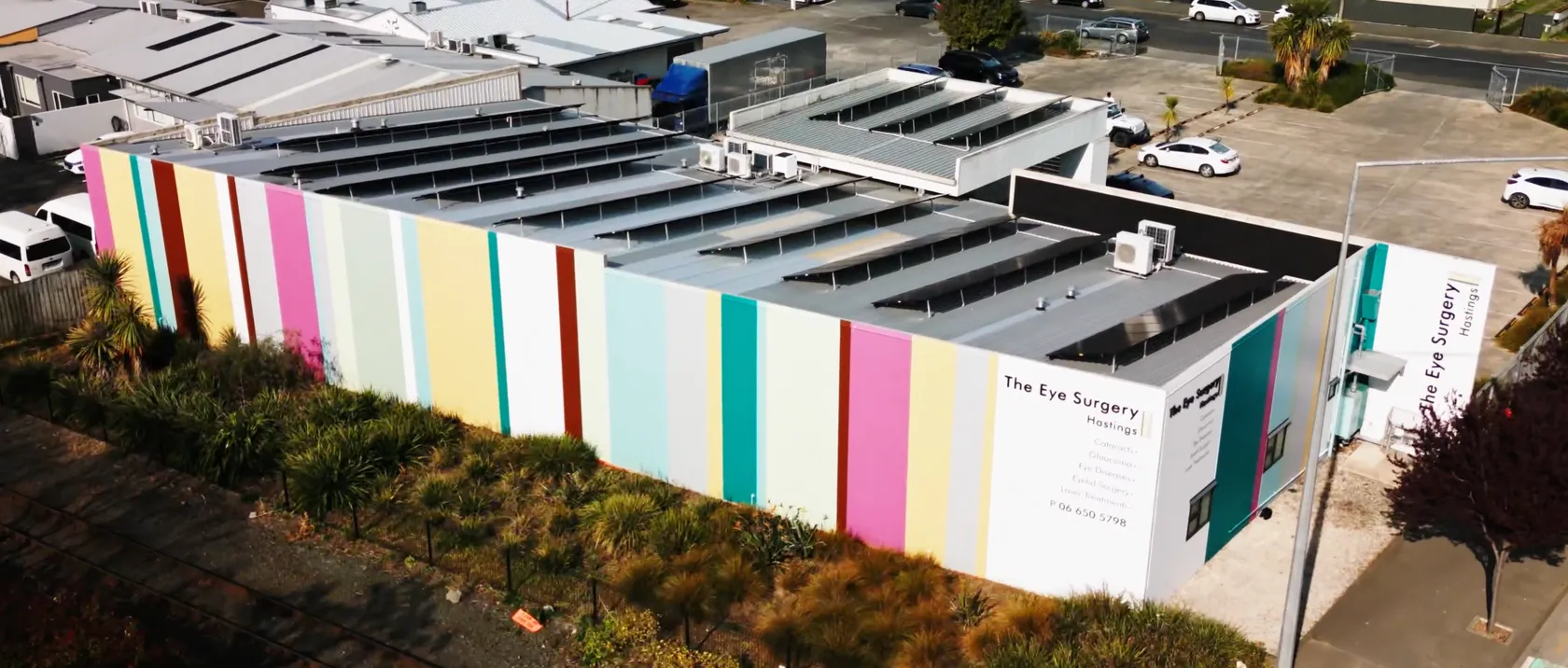
We believe precision care should be sustainable. As NZ’s only solar-powered surgical facility, we generate 150% of our energy needs—powering your procedure with the sun and sharing the excess with our community. Carbon-neutral care, with zero compromise on quality.
91d8da9526d9dcf8dd31657c270e904f89ca1d59.png
b-corp-logo-black-rgb-1.svg
health-care-without-harm-logo-1.png
What your surgery funds
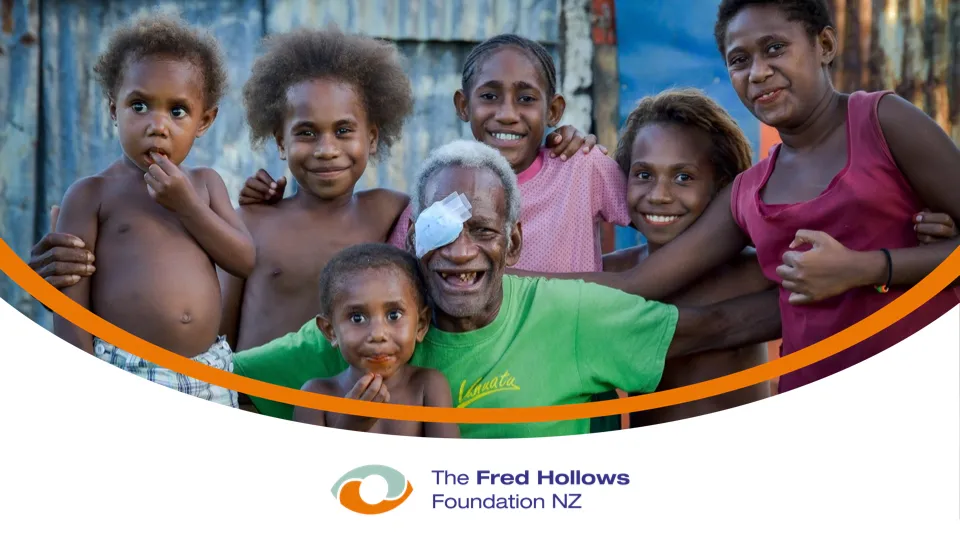
For every cataract operation performed at The Eye Surgery, two cataract operations are funded in the Pacific Islands through the Fred Hollows Foundation New Zealand. This is not added to your fee. It comes out of this practice's budget — because some decisions do not need a commercial justification. Nothing about your cost changes. Nothing about your care changes. Two people will see clearly because you came here. That is already decided.
b4954e53eeefab5b66a962a9588a796704440ef5.png
Frequently Asked Questions

Don’t see the answer you’re looking for?
Get in touch.

Will the surgery hurt?

No. Your comfort is our priority. We use advanced numbing drops so you won’t feel any pain during the procedure. Most patients describe the sensation as a slight pressure or a "cool" feeling, but never sharp or painful. We’ll also chat with you throughout to ensure you're feeling relaxed.

How soon will I see results?

Test