What AMD actually means for your vision
AMD does not cause total blindness. It affects the central field of vision — the area you rely on for fine detail. Peripheral vision is typically preserved. But the central vision is what you use for almost everything that defines daily life: reading, driving, recognising people you love.
There are two forms. Dry AMD develops slowly and is the more common form. Wet AMD involves abnormal blood vessel growth beneath the retina and can progress more quickly. Both require attention. Wet AMD, in particular, responds to treatment — and the earlier that treatment begins, the more vision it may be possible to preserve.
Watching and waiting has its place. For some patients, active management is the better choice. The conversation about which approach is right starts with understanding what is actually happening in your eye.
Active management is possible
Wet AMD can be treated with injections into the eye — anti-VEGF therapy — that slow or stop the growth of abnormal blood vessels and may preserve existing vision. This is not a cure. It is management. For patients who respond well, it can make a significant difference to what they are able to do and for how long.
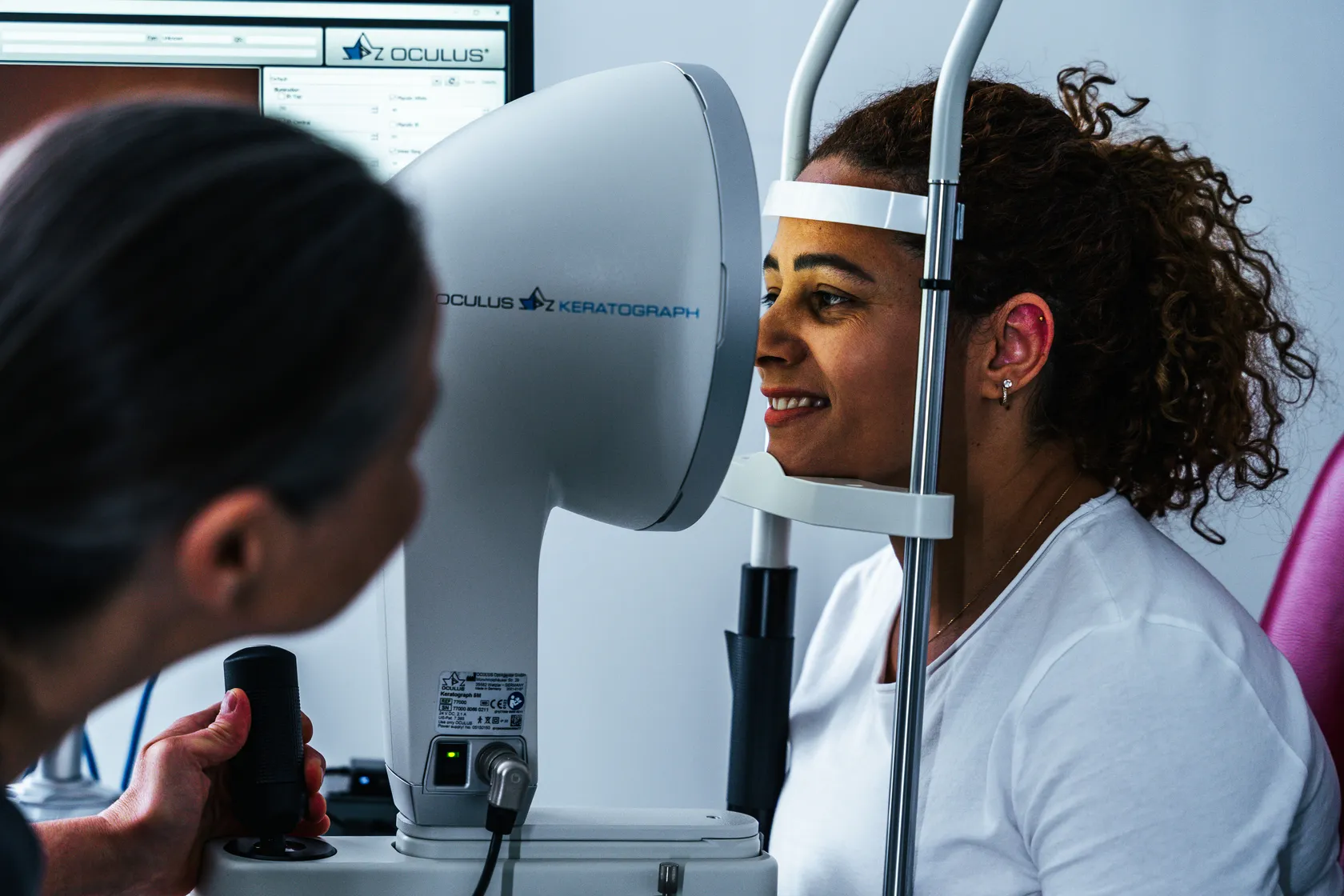
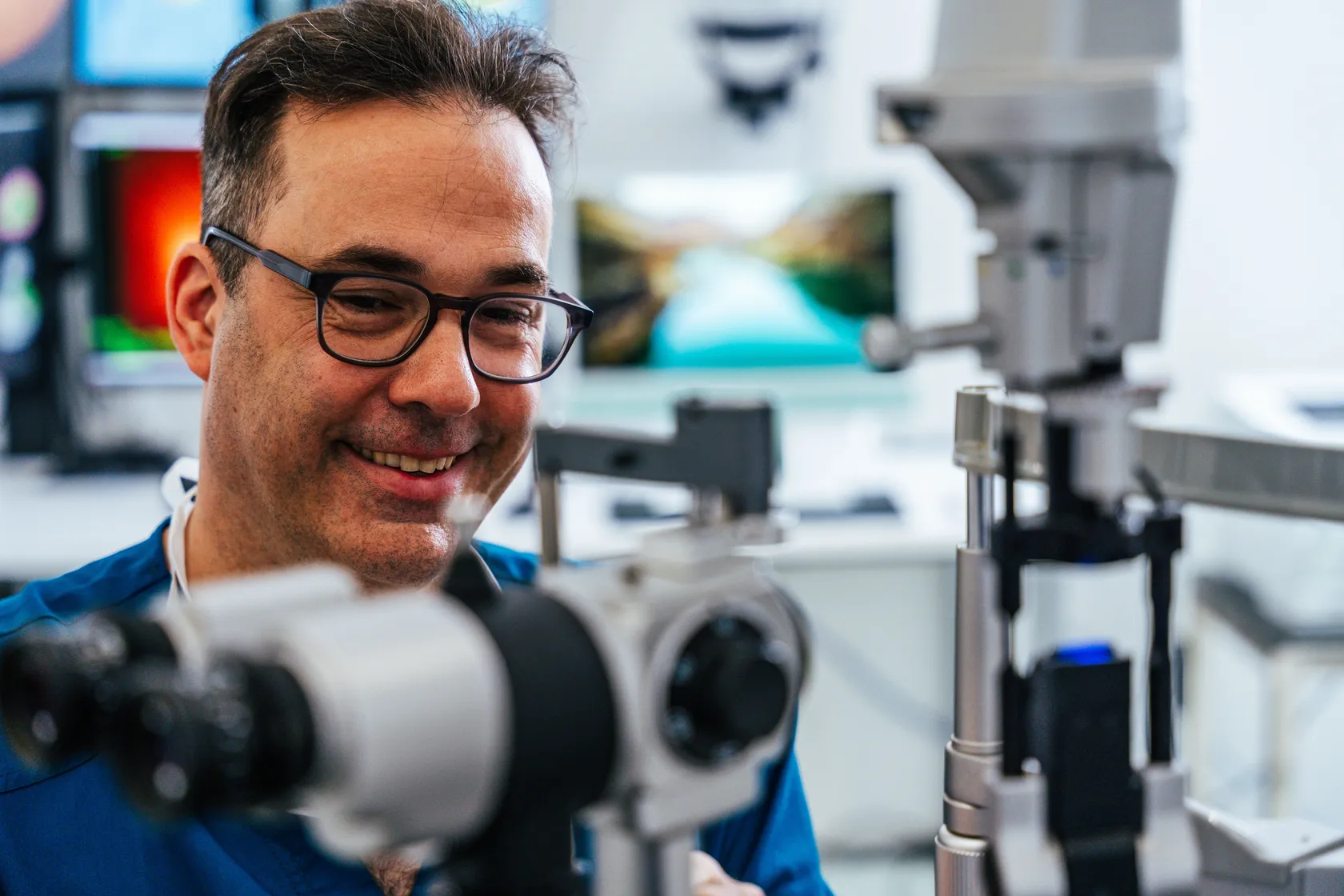
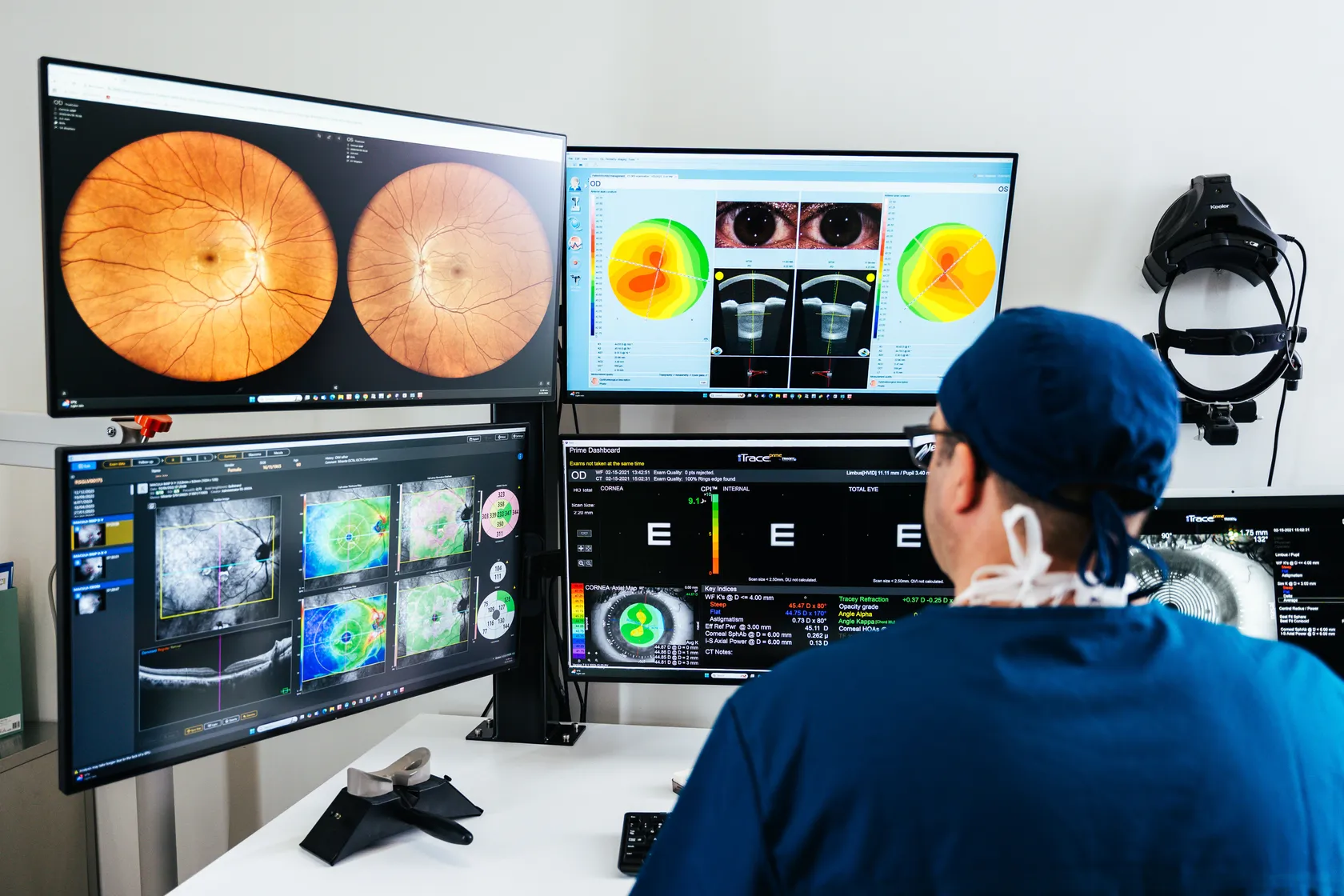
With AMD, the most important thing you can have is a clear picture of exactly what is happening in your eye — not an impression, but a precise map of the macula - the central part of your retina - at this moment. The specialist OCT imaging used here produces that picture to the same standard found at leading AMD centres internationally.
For wet AMD, that picture determines what happens next. Active treatment is available, and the earlier it begins, the more it can do. You will know where you stand — specifically, not approximately.
If you have been told you have AMD and you want to understand what active management involves and whether it is appropriate for you, an appointment here is a good place to start.

What to expect at an appointment
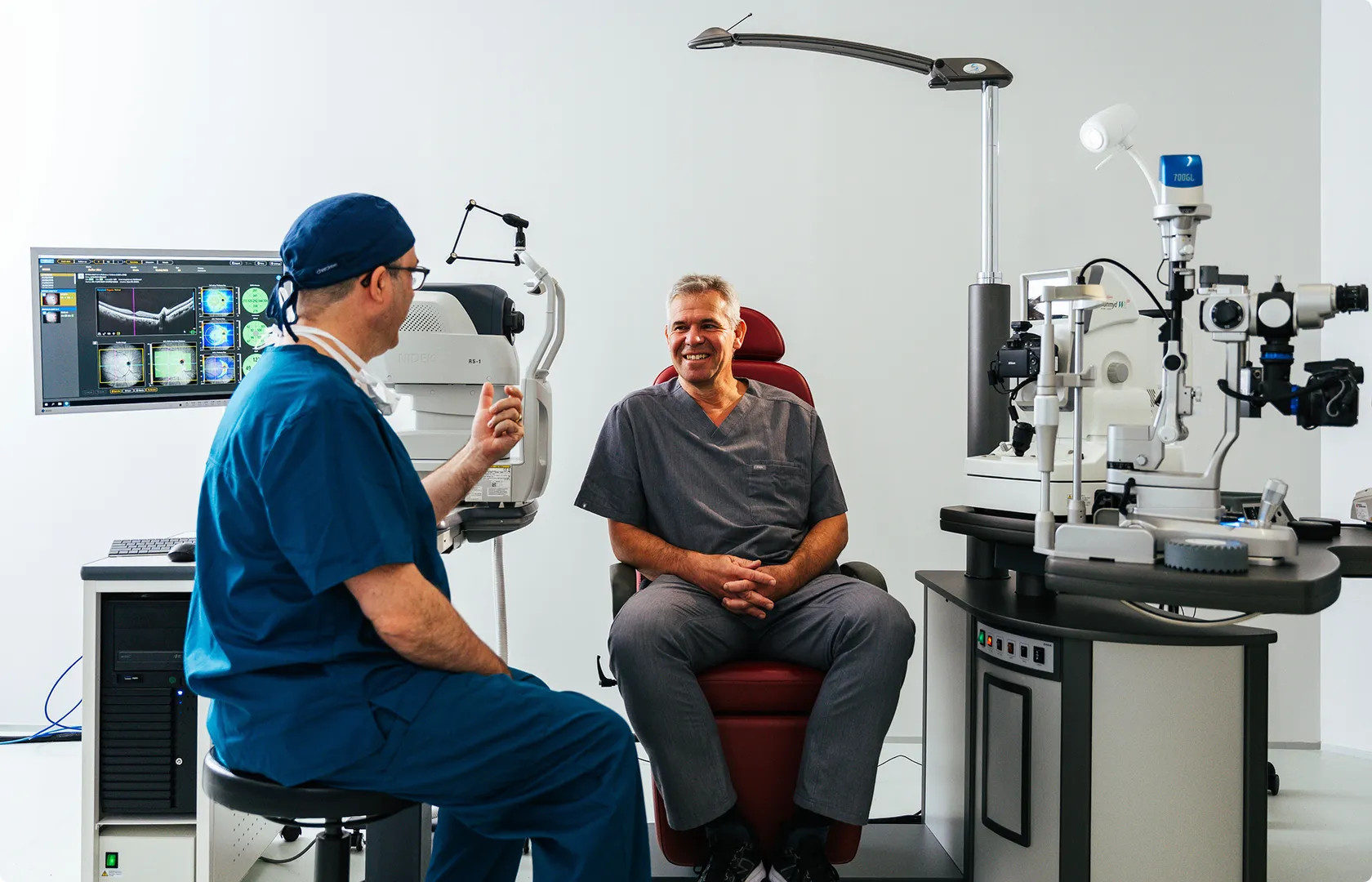
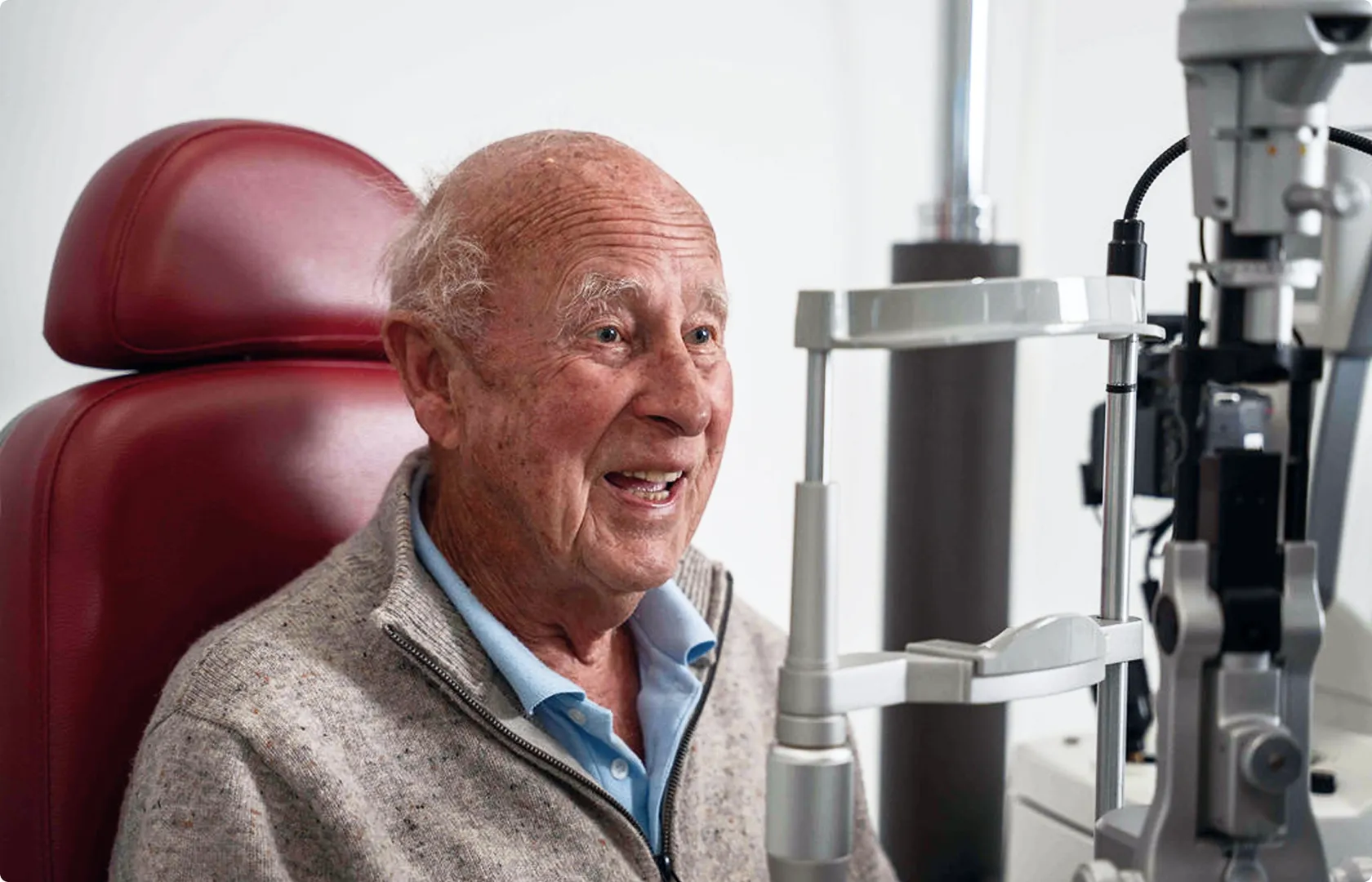
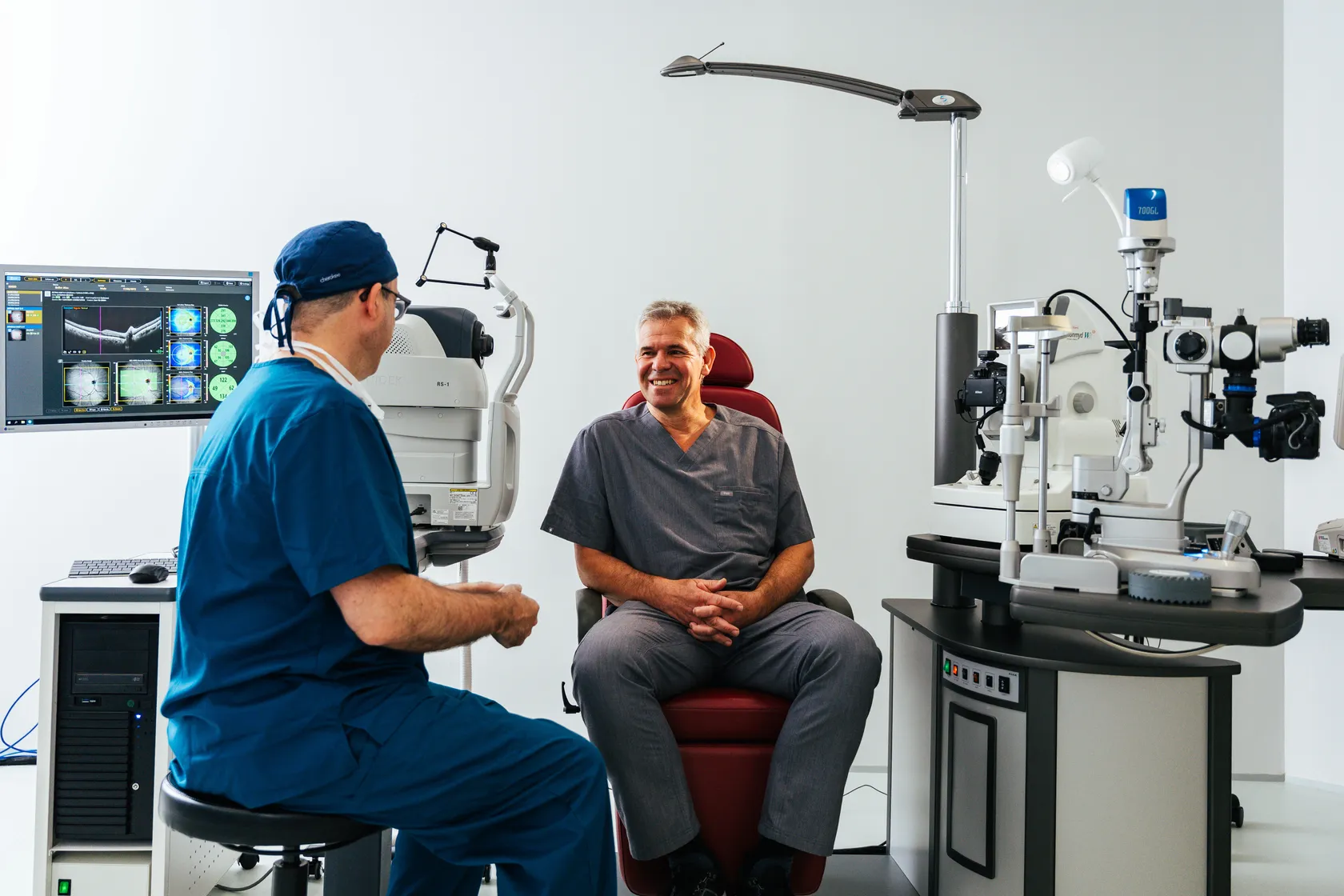
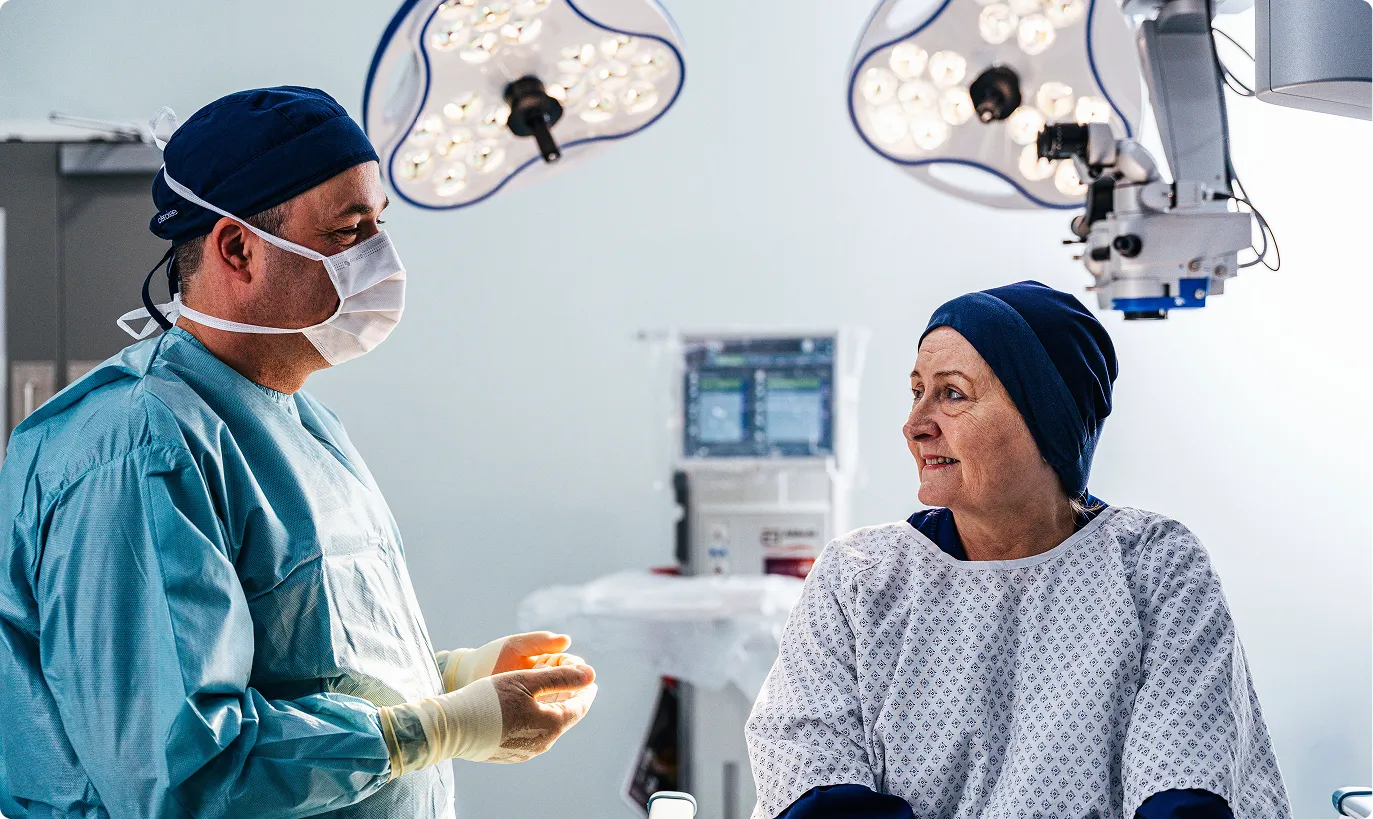
Your appointment will involve a thorough examination of your macula using specialist imaging. You will understand what is happening in your eye, what stage the condition is at, and what your options are. Everything will be explained.
The same team sees you at each appointment. Your history is known. Your progression is monitored against a baseline that was established from your first visit.