How do you know every option is on the table?
Managing glaucoma used to mean eye drops. For many patients it still does — and drops remain an important part of treatment. But the options available for glaucoma have changed significantly. Lasers and minimally invasive procedures now offer ways to reduce pressure with less disruption than traditional surgery. Not every practice has access to all of them.
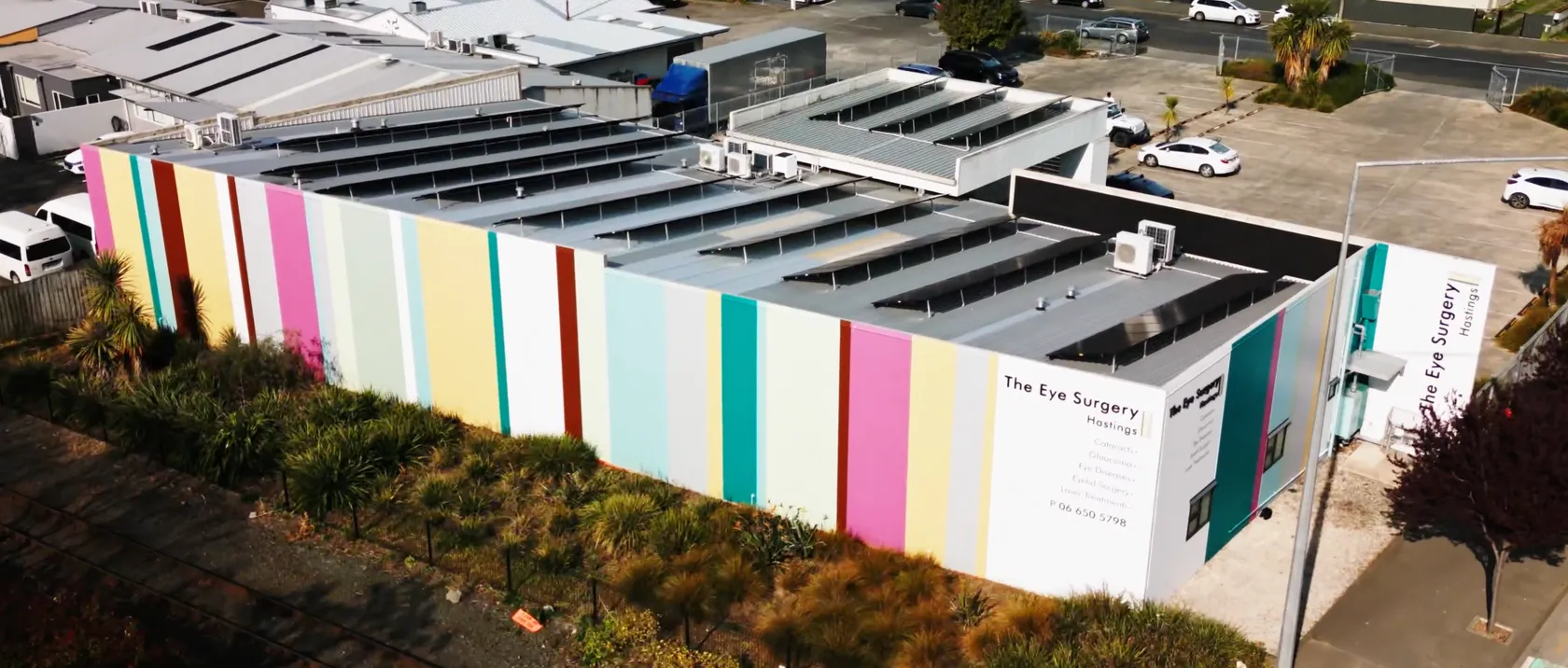
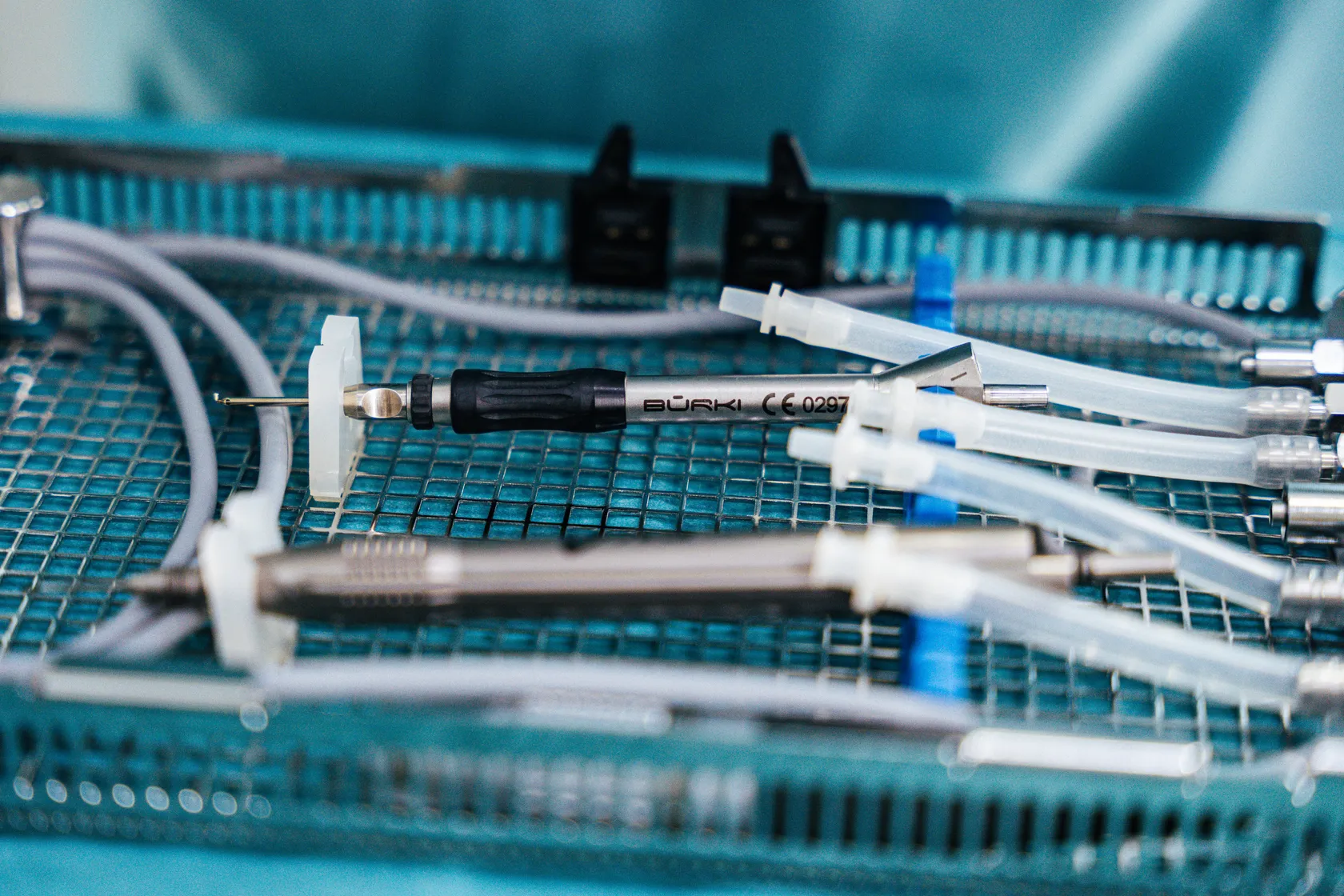
At The Eye Surgery, every relevant treatment category for glaucoma is available in-house. Drops. Laser. Minimally invasive surgery. More traditional surgical procedures where they are the right choice. You do not need to go elsewhere to find more options. They are here.
Dr Alex Buller completed subspecialist training in the medical and surgical care of glaucoma before becoming a consultant ophthalmologist. Glaucoma is not a side service. It is an area where this practice has gone further than most — and contributed to the evidence base others now use.
What's available here
Tanito hook MIGS — first introduced to New Zealand at The Eye Surgery
Minimally invasive glaucoma surgery. The Eye Surgery worked with Southern Cross Health Insurance to get this procedure onto the New Zealand reimbursement schedule, making it available throughout the country. Equipment has been donated to enable training and availability in Fiji and the Pacific Islands.
MIMS — Minimally Invasive Micro Sclerostomy — first performed in the Southern Hemisphere at The Eye Surgery
A surgical approach that lowers eye pressure with a small, precisely made opening. Introduced here before it was available anywhere else in the Southern Hemisphere.
Tenons Traction — a surgical technique developed by Dr Alex Buller
Developed for use during a procedure called bleb needling. Presented at the World Glaucoma Congress, Rome, 2023.
Objective visual fields testing
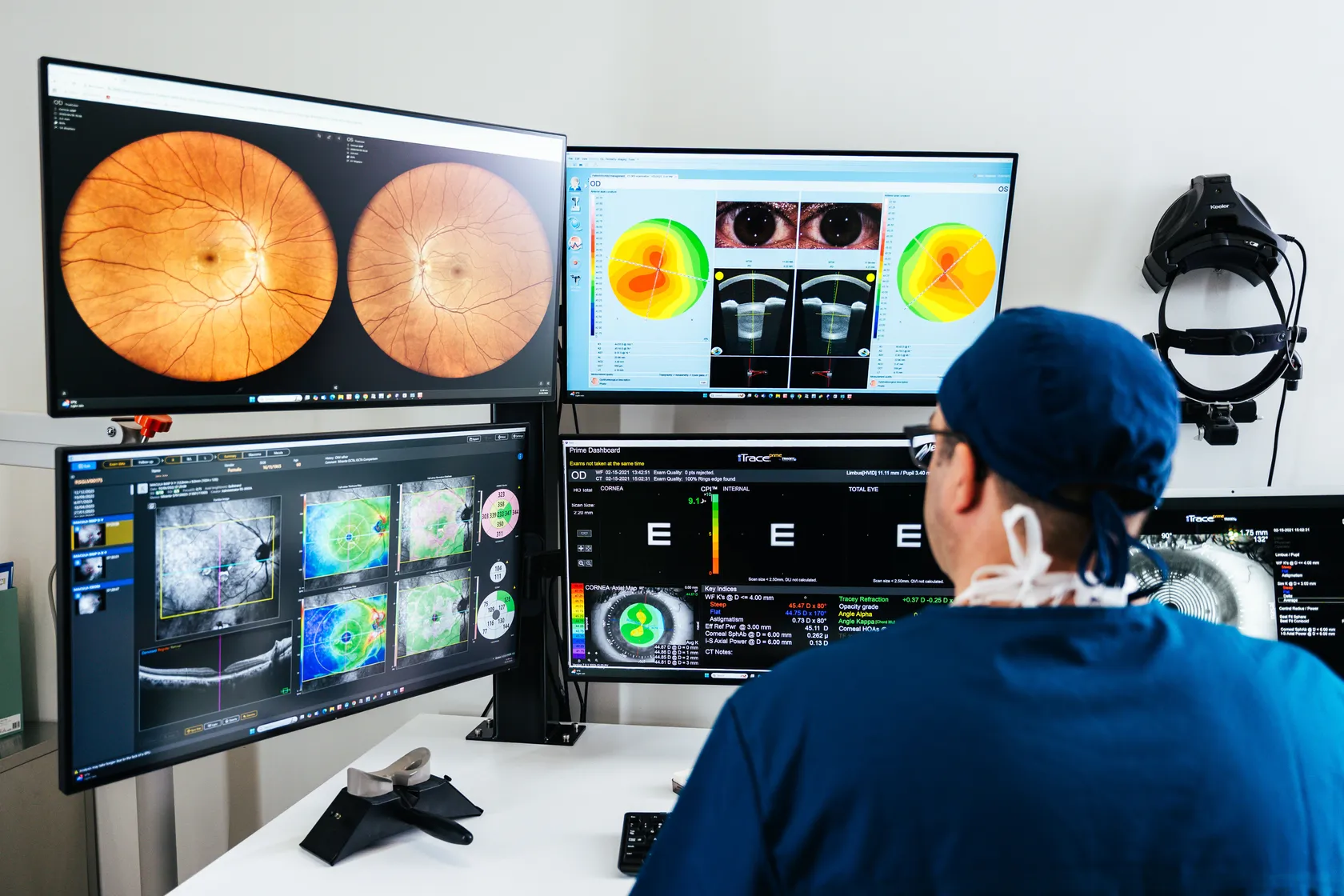
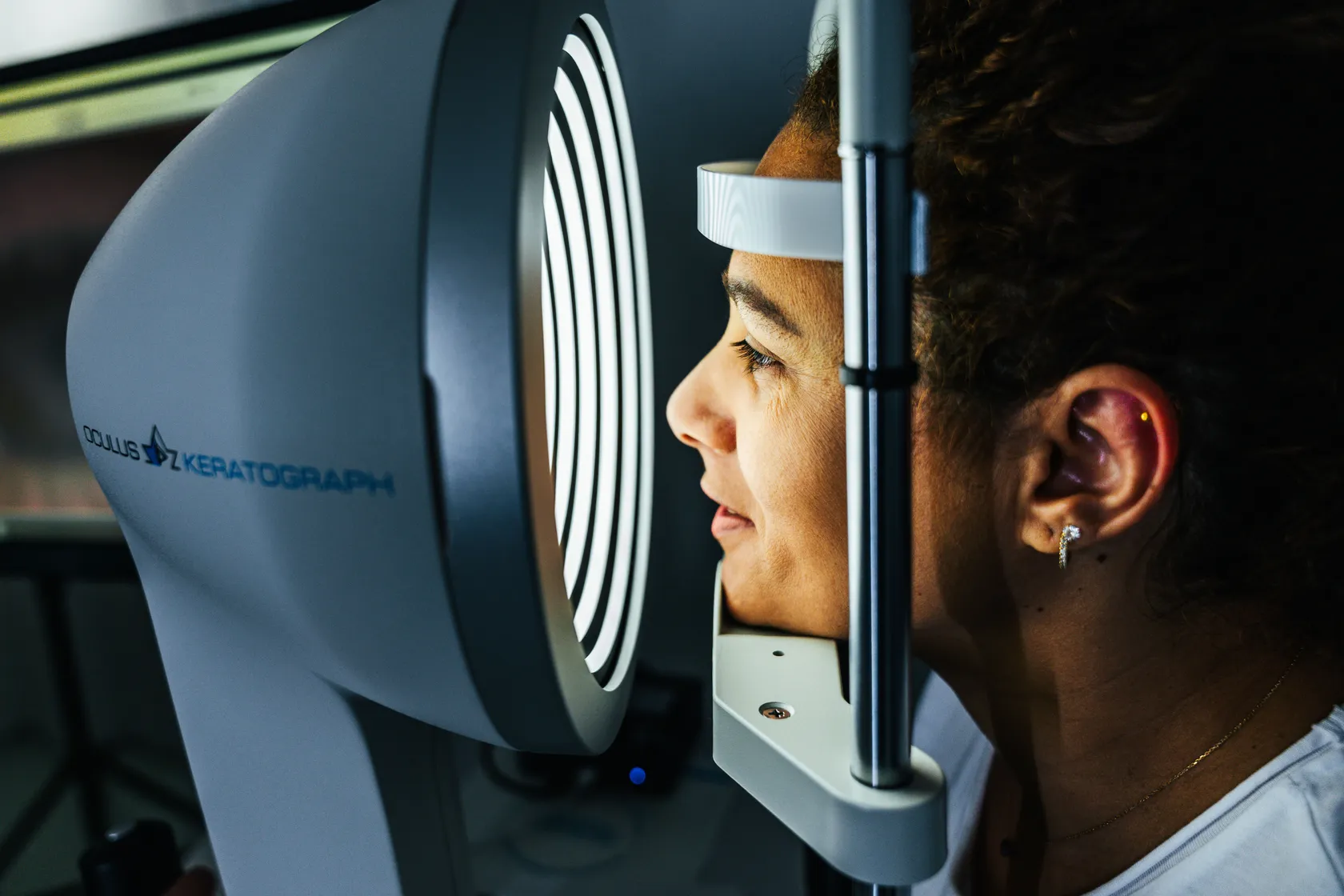
New Zealand's first objective visual fields machine is arriving at The Eye Surgery. This measures your visual field without relying on you pressing a button — the machine reads your eye's response directly. This matters for patients whose results have been inconsistent or difficult to interpret using standard methods.
The shared care glaucoma scheme
Dr Alex Buller designed and developed the shared care glaucoma scheme for Hawkes Bay Hospital, allowing patients in public hospital care to be monitored in the community by their optometrist, working in conjunction with the hospital. The Eye Surgery still registers new optometrists for optic disc assessment for inclusion in the scheme. Glaucoma care in this region reaches further than this building.
The harder you look, the more you see.
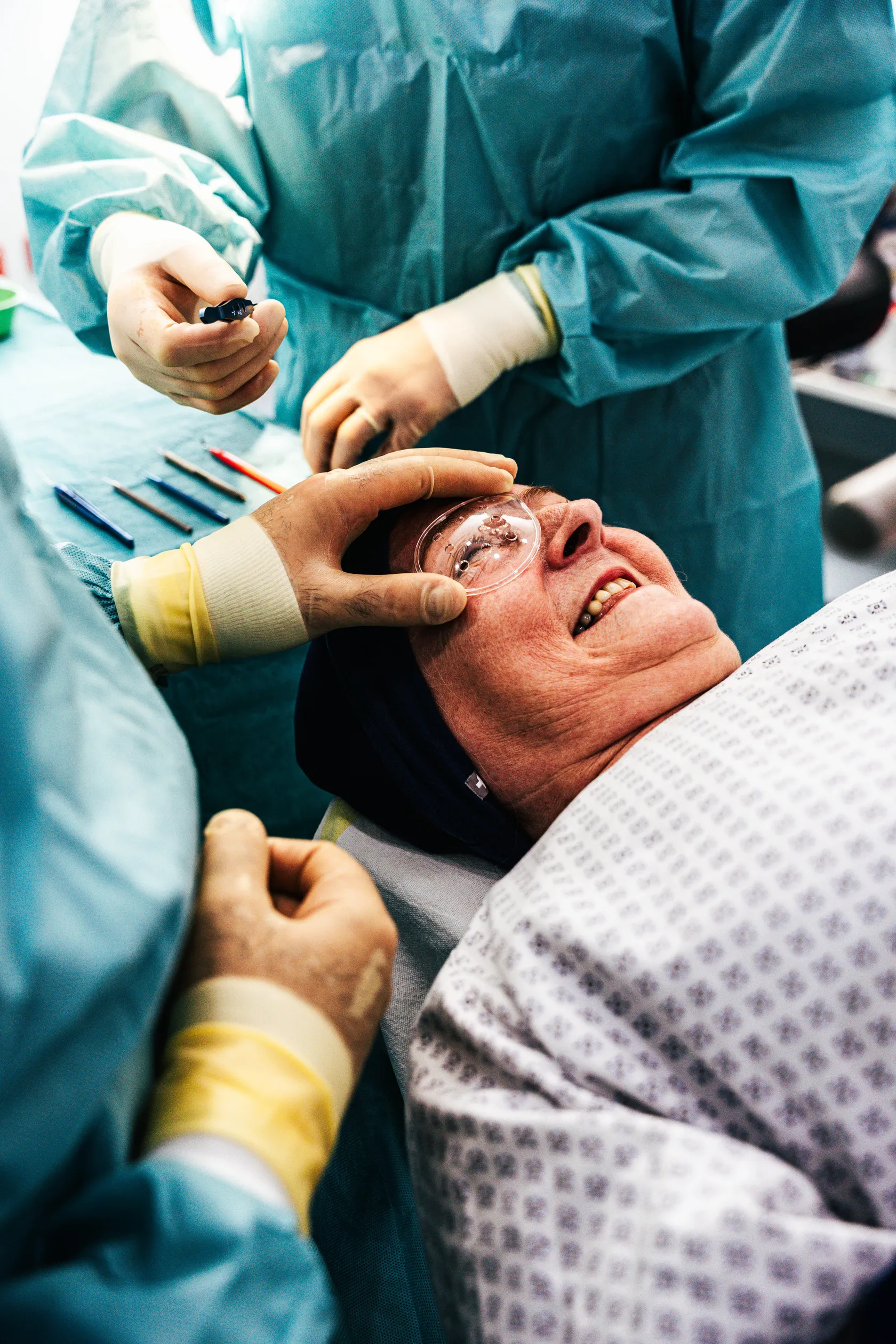
Glaucoma damage is irreversible. That is why what happens early in the management of the condition matters so much. Passive monitoring has its place. But for patients whose pressure is not controlled, or whose condition is progressing, or who want to know whether more is possible — identifying this and having the option to explore all available treatments is better sooner rather than later.
If you have been managing glaucoma for some time and want to understand whether anything has changed in what is available, that is a reasonable question to bring to an appointment.